Check your phone
Confirm the exact model, regional variant and carrier-lock status before buying.
Apple eSIM guidance ↗For other brands, use the manufacturer’s support page.


TRAVEL CONNECTED. GO FURTHER.
North Island to South Island. Choose data and check coverage before remote road trips.
YOUR SHORTLIST
Five price-based choices. Clear reasons.
EXPLORE YOUR OPTIONS
Prices compared in USD. ≈ marks a converted estimate; the provider’s original price appears below. ECB reference rates: 2026-10-09. Checkout totals and payment conversion may differ.
SIDE BY SIDE
Select two to four plans. Your selection stays with you across catalogue pages.
WHERE TO NEXT?

 United StatesExplore plans →
 JapanExplore plans →
 TurkeyExplore plans →
 MoroccoExplore plans →
 CanadaExplore plans →
 AustraliaExplore plans →
 ThailandExplore plans →
 ItalyExplore plans →
 FranceExplore plans →
 EgyptExplore plans →
 IndiaExplore plans →
 ChinaExplore plans →
 MexicoExplore plans →
 SpainExplore plans →
 VietnamExplore plans →
 PhilippinesExplore plans →
 AlbaniaExplore plans →
 South KoreaExplore plans →
 South AfricaExplore plans →
 United Arab EmiratesExplore plans →
 PortugalExplore plans →
 TunisiaExplore plans →
 Saudi ArabiaExplore plans →
 Costa RicaExplore plans →
 GreeceExplore plans →
 GermanyExplore plans →
 BrazilExplore plans →
 IrelandExplore plans →
 Dominican RepublicExplore plans →
 SwitzerlandExplore plans →
 PakistanExplore plans →
 New ZealandExplore plans →
 SingaporeExplore plans →
 MalaysiaExplore plans →
 Hong KongExplore plans →
 TaiwanExplore plans →
 MontenegroExplore plans →
 ColombiaExplore plans →
 IndonesiaExplore plans →
 PeruExplore plans →
 GuatemalaExplore plans →
 Sri LankaExplore plans →
 JamaicaExplore plans →
 IsraelExplore plans →
 BarbadosExplore plans →
 RomaniaExplore plans →
 KenyaExplore plans →
 Cabo VerdeExplore plans →
 NetherlandsExplore plans →
 MauritiusExplore plans →
 United KingdomExplore plans →
 IcelandExplore plans →
 El SalvadorExplore plans →
 NorwayExplore plans →
 PolandExplore plans →
 BahamasExplore plans →
 KosovoExplore plans →
 NigeriaExplore plans →
 CyprusExplore plans →
 GhanaExplore plans →
 EcuadorExplore plans →
 JordanExplore plans →
 MaldivesExplore plans →
 LebanonExplore plans →
 ZimbabweExplore plans →
 QatarExplore plans →
 Russian FederationExplore plans →
 SerbiaExplore plans →
 TanzaniaExplore plans →
 HungaryExplore plans →
 MaltaExplore plans →
 BangladeshExplore plans →
 CroatiaExplore plans →
 GeorgiaExplore plans →
 BelgiumExplore plans →
 BelizeExplore plans →
 BulgariaExplore plans →
 DenmarkExplore plans →
 HondurasExplore plans →
 KazakhstanExplore plans →
 KyrgyzstanExplore plans →
 NamibiaExplore plans →
 BermudaExplore plans →
 EthiopiaExplore plans →
 GuamExplore plans →
 LithuaniaExplore plans →
 Bosnia and HerzegovinaExplore plans →
 LatviaExplore plans →
 NepalExplore plans →
 JerseyExplore plans →
 YemenExplore plans →
 ZambiaExplore plans →
 GuernseyExplore plans →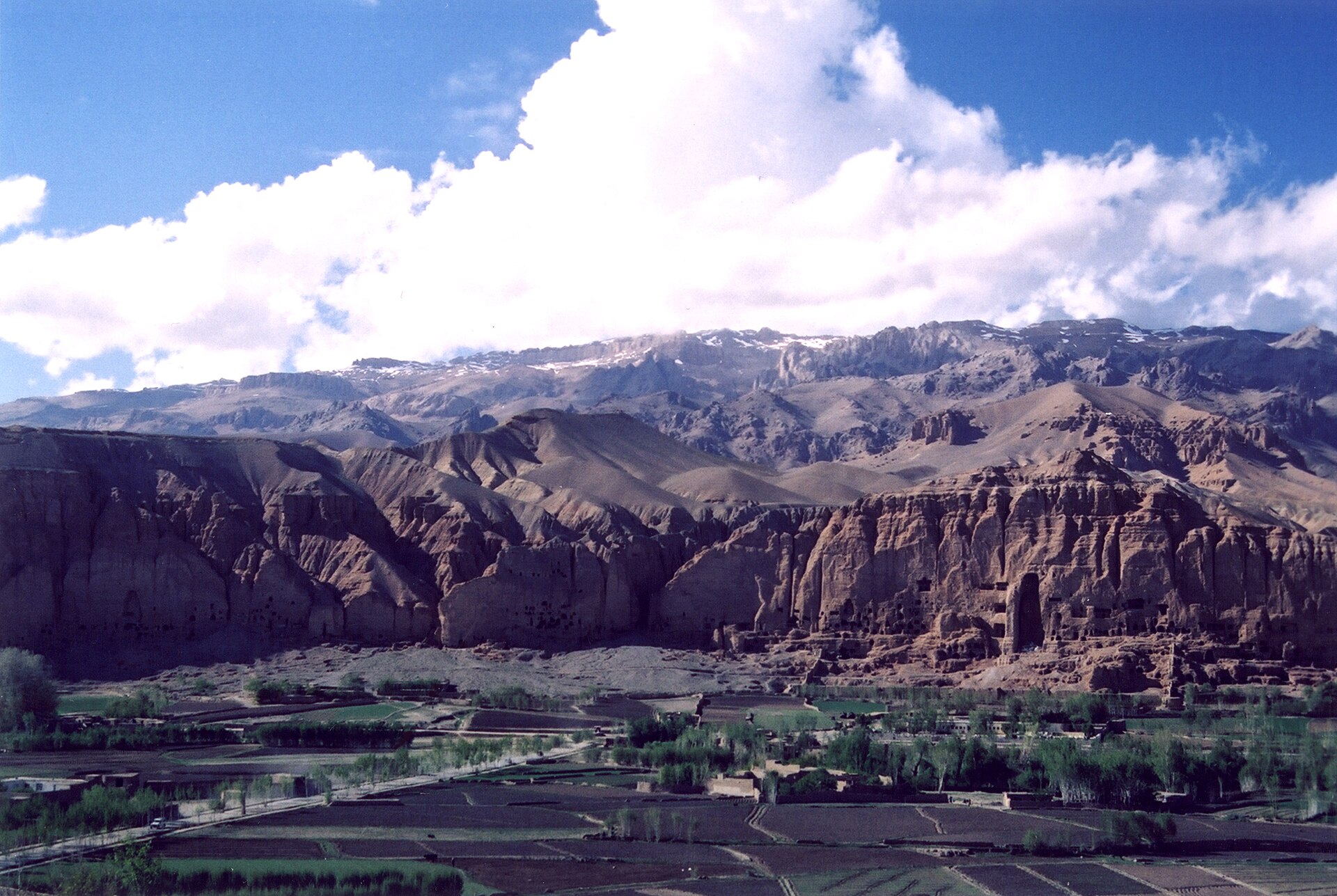
 AfghanistanExplore plans →
 Åland IslandsExplore plans →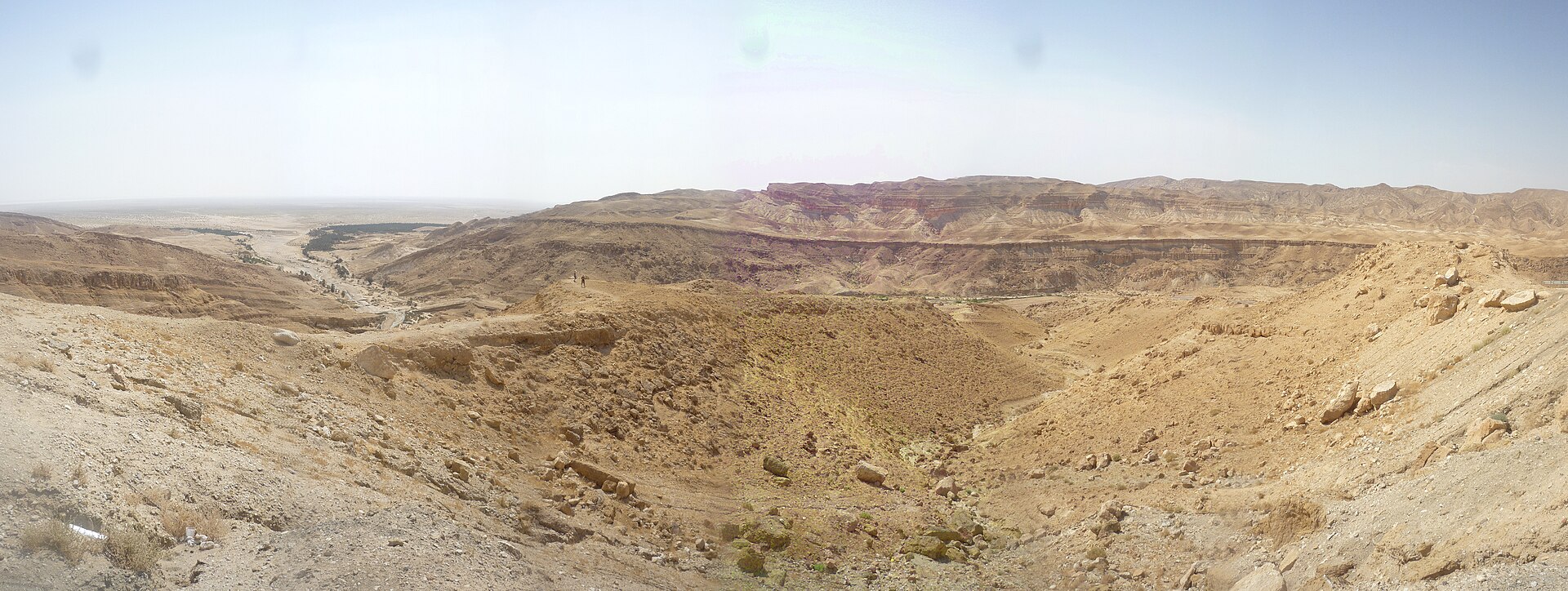
 AlgeriaExplore plans →
 American SamoaExplore plans →
 AndorraExplore plans →
 AngolaExplore plans →
 AnguillaExplore plans →
 Antigua and BarbudaExplore plans →
 ArgentinaExplore plans →
 ArmeniaExplore plans →
 ArubaExplore plans →
 AustriaExplore plans →
 AzerbaijanExplore plans →
 BahrainExplore plans →
 BelarusExplore plans →
 BeninExplore plans →
 BhutanExplore plans →
 BoliviaExplore plans →
 Bonaire, Sint Eustatius and SabaExplore plans →
 BotswanaExplore plans →
 Brunei DarussalamExplore plans →
 Burkina FasoExplore plans →
 BurundiExplore plans →
 CambodiaExplore plans →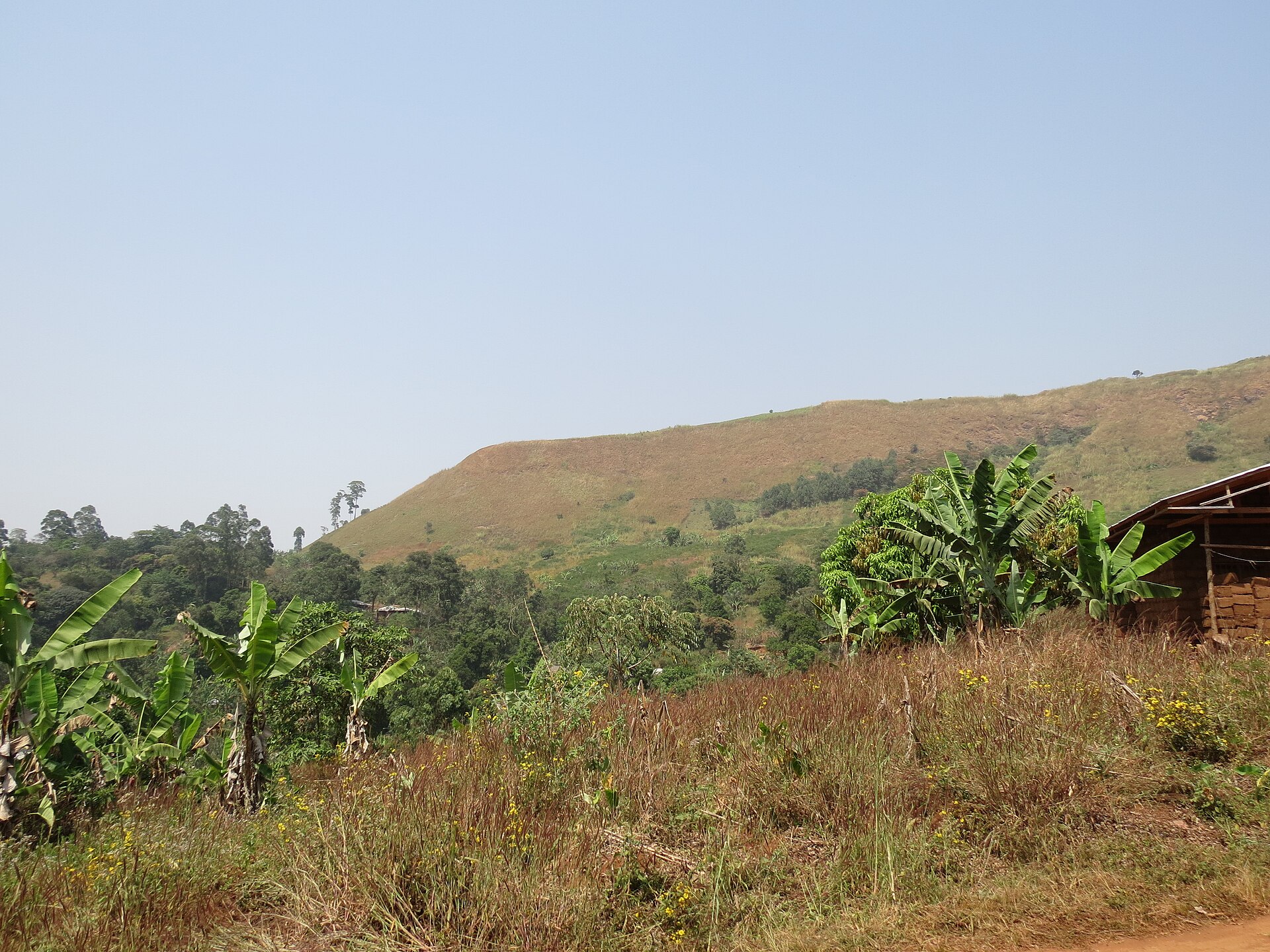
 CameroonExplore plans →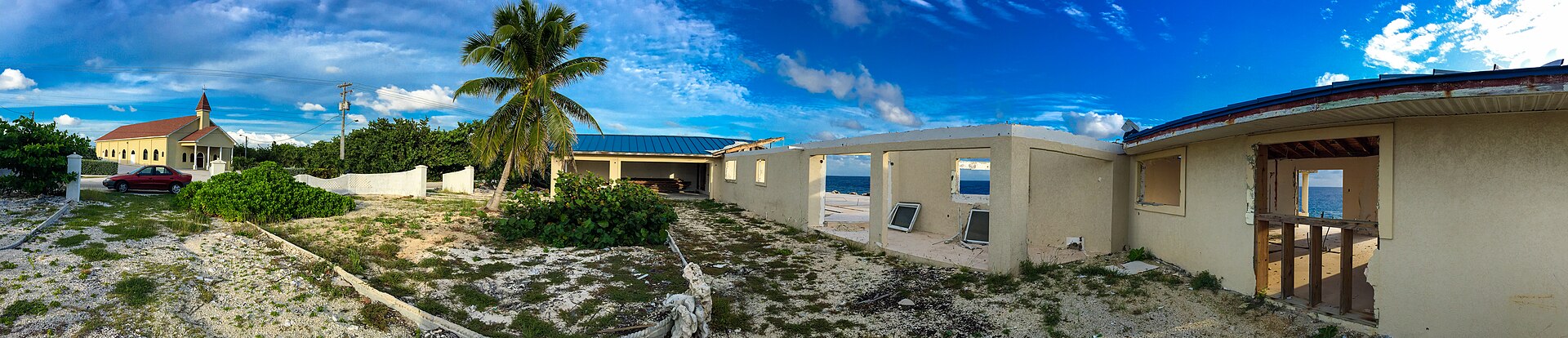
 Cayman IslandsExplore plans →
 Central African RepublicExplore plans →
 ChadExplore plans →
 ChileExplore plans →
 ComorosExplore plans →
 CongoExplore plans →
 Congo, The Democratic Republic of theExplore plans →
 Côte d'IvoireExplore plans →
 CubaExplore plans →
 CuraçaoExplore plans →
 Czech RepublicExplore plans →
 DjiboutiExplore plans →
 DominicaExplore plans →
 EstoniaExplore plans →
 EswatiniExplore plans →
 Faroe IslandsExplore plans →
 FijiExplore plans →
 FinlandExplore plans →
 French GuianaExplore plans →
 French PolynesiaExplore plans →
 French Southern TerritoriesExplore plans →
 GabonExplore plans →
 GambiaExplore plans →
 GibraltarExplore plans →
 GreenlandExplore plans →
 GrenadaExplore plans →
 GuadeloupeExplore plans →
 GuineaExplore plans →
 Guinea-BissauExplore plans →
 GuyanaExplore plans →
 HaitiExplore plans →
 IranExplore plans →
 IraqExplore plans →
 Isle of ManExplore plans →
 KuwaitExplore plans →
 LaosExplore plans →
 LesothoExplore plans →
 LiberiaExplore plans →
 LibyaExplore plans →
 LiechtensteinExplore plans →
 LuxembourgExplore plans →
 MacaoExplore plans →
 MadagascarExplore plans →
 MalawiExplore plans →
 MaliExplore plans →
 MartiniqueExplore plans →
 MauritaniaExplore plans →
 MayotteExplore plans →
 MoldovaExplore plans →
 MonacoExplore plans →
 MongoliaExplore plans →
 MontserratExplore plans →
 MozambiqueExplore plans →
 MyanmarExplore plans →
 NauruExplore plans →
 New CaledoniaExplore plans →
 NicaraguaExplore plans →
 NigerExplore plans →
 North MacedoniaExplore plans →
 OmanExplore plans →
 PalestineExplore plans →
 PanamaExplore plans →
 Papua New GuineaExplore plans →
 ParaguayExplore plans →
 Puerto RicoExplore plans →
 RéunionExplore plans →
 RwandaExplore plans →
 Saint BarthélemyExplore plans →
 Saint Kitts and NevisExplore plans →
 Saint LuciaExplore plans →
 Saint Martin (French part)Explore plans →
 Saint Vincent and the GrenadinesExplore plans →
 SamoaExplore plans →
 San MarinoExplore plans →
 Sao Tome and PrincipeExplore plans →
 SenegalExplore plans →
 SeychellesExplore plans →
 Sierra LeoneExplore plans →
 Sint MaartenExplore plans →
 SlovakiaExplore plans →
 SloveniaExplore plans →
 Solomon IslandsExplore plans →
 South SudanExplore plans →
 SudanExplore plans →
 SurinameExplore plans →
 SwedenExplore plans →
 TajikistanExplore plans →
 Timor-LesteExplore plans →
 TogoExplore plans →
 TongaExplore plans →
 Trinidad and TobagoExplore plans →
 Turks and Caicos IslandsExplore plans →
 UgandaExplore plans →
 UkraineExplore plans →
 UruguayExplore plans →
 UzbekistanExplore plans →
 VanuatuExplore plans →
 Vatican CityExplore plans →
 VenezuelaExplore plans →
 Virgin Islands, BritishExplore plans →
 Virgin Islands, U.S.Explore plans →
Confirm the exact model, regional variant and carrier-lock status before buying.
Apple eSIM guidance ↗For other brands, use the manufacturer’s support page.
An estimate, not a guarantee. Hotspot use can add substantially more.
Start with your days and data. Compare in one currency. Read activation and hotspot conditions on the official source.
Read our travel eSIM guide ↓TRAVEL ESIM GUIDE
An eSIM New Zealand plan provides mobile internet through a digital SIM profile on a compatible unlocked smartphone. It can be useful for navigating Auckland, exploring Queenstown, booking transport and driving across the North and South Islands. However, device compatibility and coverage along remote routes are especially important for New Zealand travel.
All major New Zealand mobile networks completed their 3G shutdowns by March 2026. This means travelers should rely on compatible 4G or 5G devices rather than older phones that depend on 3G technology. An eSIM-compatible phone should still be checked for the network and calling functions it supports locally.
Yes, visitors using older smartphones may encounter connection or calling problems after New Zealand's 3G shutdown. Modern mobile services operate through 4G and 5G networks, and conventional voice calling may require Voice over LTE, or VoLTE. A phone capable of 4G data does not automatically guarantee compatibility with every calling function.
Emergency calling is particularly important. New Zealand uses 111 as its emergency number, and unsupported devices may be unable to place emergency calls over the remaining networks. Travelers should check device compatibility before departure rather than assuming that a working eSIM profile guarantees full phone functionality.
A New Zealand eSIM should be selected according to the complete route and expected mobile-data use. A short Auckland city break requires different planning from a three-week campervan holiday. Network coverage can be more important than headline data allowances when traveling through remote areas.
Auckland and Wellington visitors commonly use mobile data for navigation, reservations and transportation. A moderate package may be sufficient for a city-focused stay. Remote workers and travelers using mobile hotspots may need larger allowances.
Rotorua and Taupō attract travelers combining towns with outdoor attractions and scenic drives. A suitable package should support mobile data along the intended routes. Signal may vary away from populated areas.
Queenstown and Wanaka are popular destinations for mountain scenery and outdoor activities. Mobile data is useful for transportation and accommodation arrangements. However, surrounding mountain routes can have limited reception.
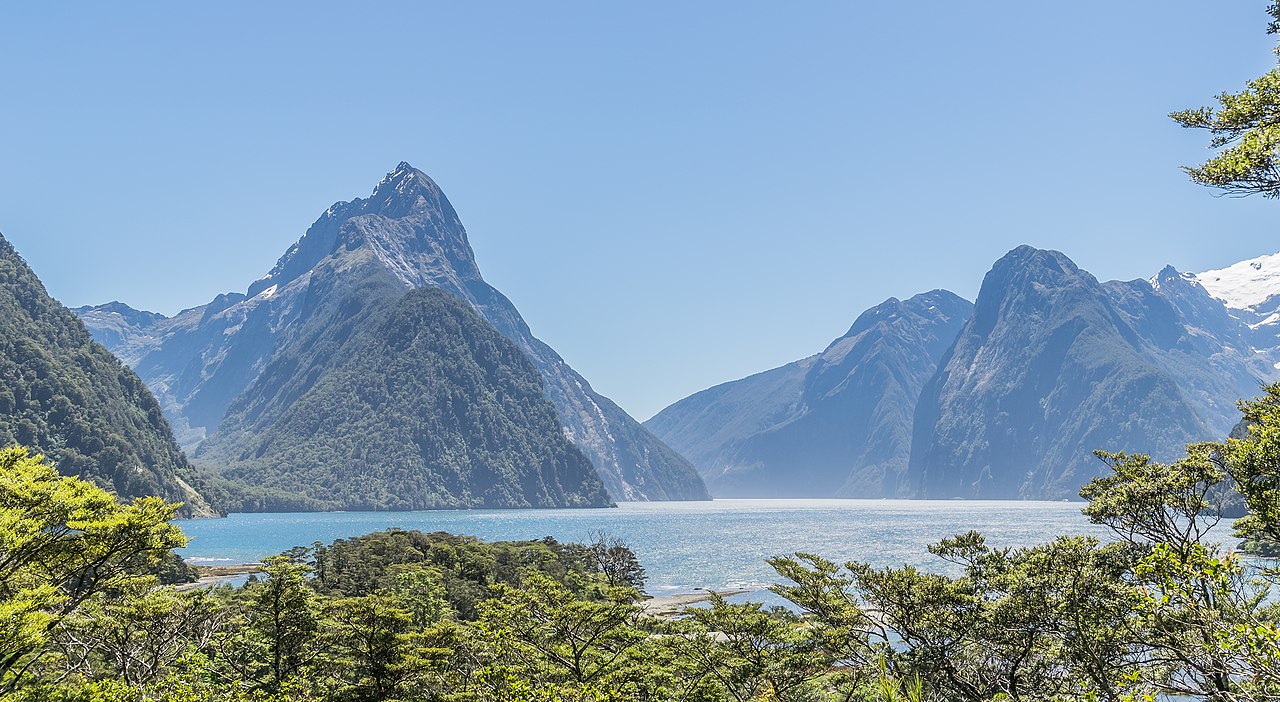
Fiordland presents more demanding coverage conditions because of its remote geography and mountainous terrain. Travelers should not depend exclusively on mobile data while driving or hiking in the region. Download maps and essential information before departure.
Long stretches of the South Island's West Coast have fewer settlements and more variable mobile connectivity. Road-trip travelers should check the supported network and prepare offline navigation. A larger data allowance cannot compensate for coverage gaps on remote roads.
A road trip usually involves regular navigation, accommodation bookings and messaging. A longer itinerary may require additional data, particularly when travelers spend significant time away from Wi-Fi. Video uploads and hotspot sharing can increase consumption considerably.
| New Zealand itinerary | Data planning priority |
|---|---|
| Auckland city break | Small or moderate allowance |
| One-week North Island trip | Navigation and suitable validity |
| Two-week South Island journey | Larger allowance and coverage |
| Three-week campervan holiday | Full-trip validity and top-up options |
| Remote hiking | Offline preparation and independent communication |
Calculate expected data requirements using daily activities. A national package can be suitable for both islands, but its coverage depends on the supported local network. Review the map of the actual route before purchasing.
A travel eSIM can often be purchased and installed before arriving in New Zealand. It may provide data-only service without a local phone number. This is convenient for visitors primarily using internet-based communication.
A domestic prepaid subscription may be useful when conventional calls, SMS or a New Zealand number are required. Device compatibility remains important regardless of the SIM format. Compare the complete service rather than assuming one technology offers better coverage.
Unlimited data may be valuable for frequent streaming or remote work, but fair-use policies and hotspot restrictions can apply. A fixed-data package may be more economical for ordinary sightseeing. The most suitable allowance depends on how often the traveler has access to Wi-Fi.
Remote coverage should remain a separate consideration. Unlimited data does not provide signal in remote valleys, national parks or isolated roads. Travelers should prioritize network reach and appropriate safety planning.
Before purchasing, confirm that the smartphone is unlocked and supports eSIM, 4G or 5G operation and any required calling functions. Read the package's activation rules to determine when validity begins. Installing the profile before departure can simplify arrival.
After entering New Zealand, configure the travel line for mobile data and follow its roaming instructions. Check the home line's roaming settings separately. Keep essential travel information available offline.
Published price observations, not live checkout verification. Confirm the exact package terms before purchase.
| Provider in collected sample | Source |
|---|---|
| Airalo | Official source ↗ |
| eSIMania | Official source ↗ |
| Holafly | Official source ↗ |
| Nomad | Official source ↗ |
| Saily | Official source ↗ |
Useful guides for choosing and preparing your travel eSIM.
YOUR QUESTIONS ANSWERED
The best New Zealand eSIM depends on trip duration, network coverage and expected data use. Road-trip travelers should prioritize coverage along the itinerary. Confirm device compatibility before purchasing.
No, the country's major mobile networks completed their 3G shutdowns by March 2026. Compatible 4G or 5G devices are needed. Some older phones may have calling or emergency-calling limitations.
A suitable eSIM may provide service in populated areas such as Queenstown, but remote Fiordland coverage is more limited. Signal cannot be guaranteed along every route. Download offline navigation and important travel documents.
Yes, a national New Zealand eSIM may provide service across the North and South Islands through its supported network. Actual coverage varies by location. Check the route rather than only the destination label.
Not necessarily. Moderate navigation and messaging may require less data than frequent streaming or hotspot use. Coverage and full-trip validity are more important than unlimited branding.